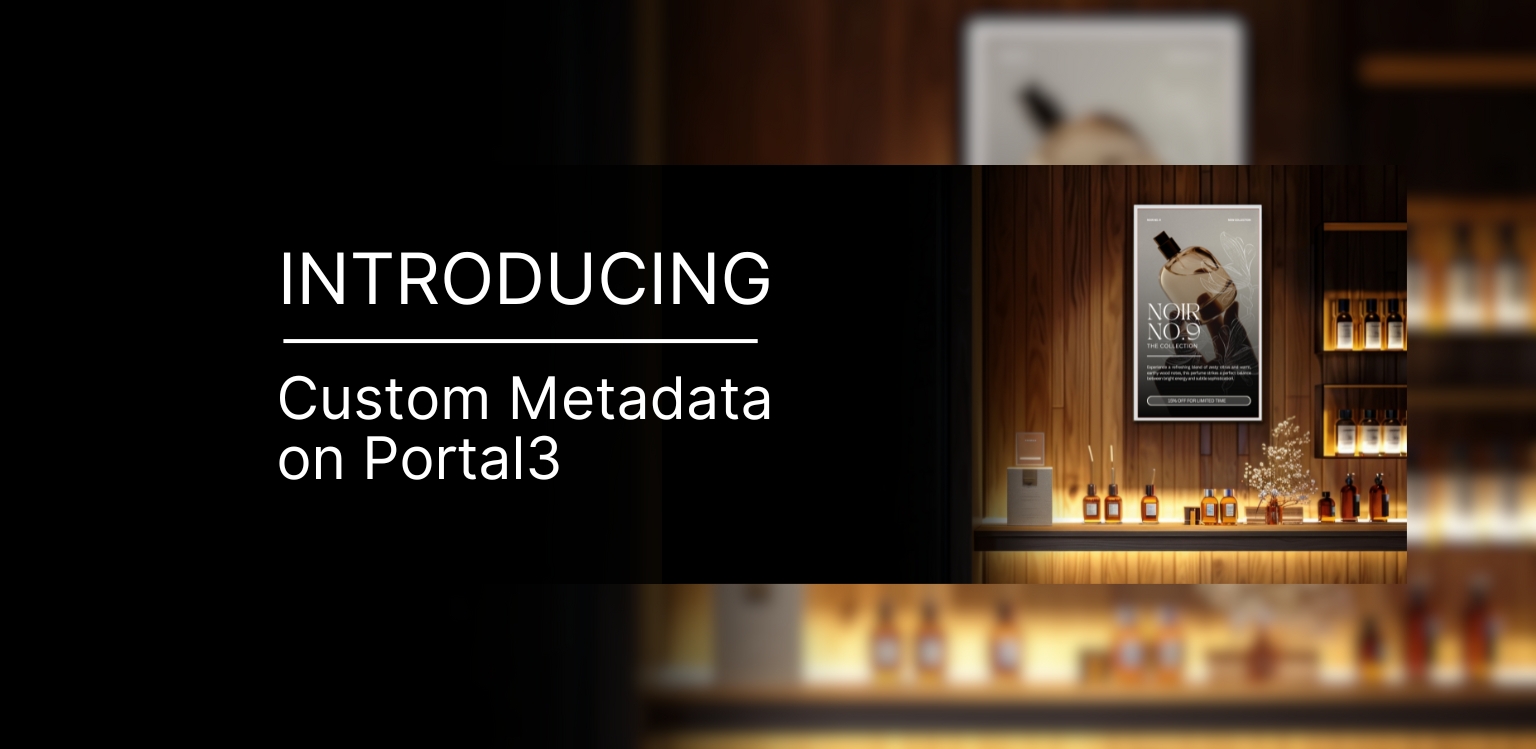
Content management and device management is now even easier with Videri.
From initial launch to long-term maintenance, customers report that sourcing and managing content is one of the most time-consuming parts of their digital signage practice. Along with a sprawling network of devices, we’ve found that some of our largest customers needed a better way to keep track of their fleet of displays, their purposes (i.e. events vs in-store) and locations (among other things). Customers often times need to use complex taxonomies to define their unique needs, to which we needed to adapt.
Through recent releases, Videri customers can now classify their content and displays in an infinite number of ways, using custom fields. In Portal3 you can now create and assign custom metadata to any element or feature that is relevant to your digital signage strategy, like geography or purpose, not just content. Using custom fields helps to streamline content and device management regardless of your company’s unique business needs.


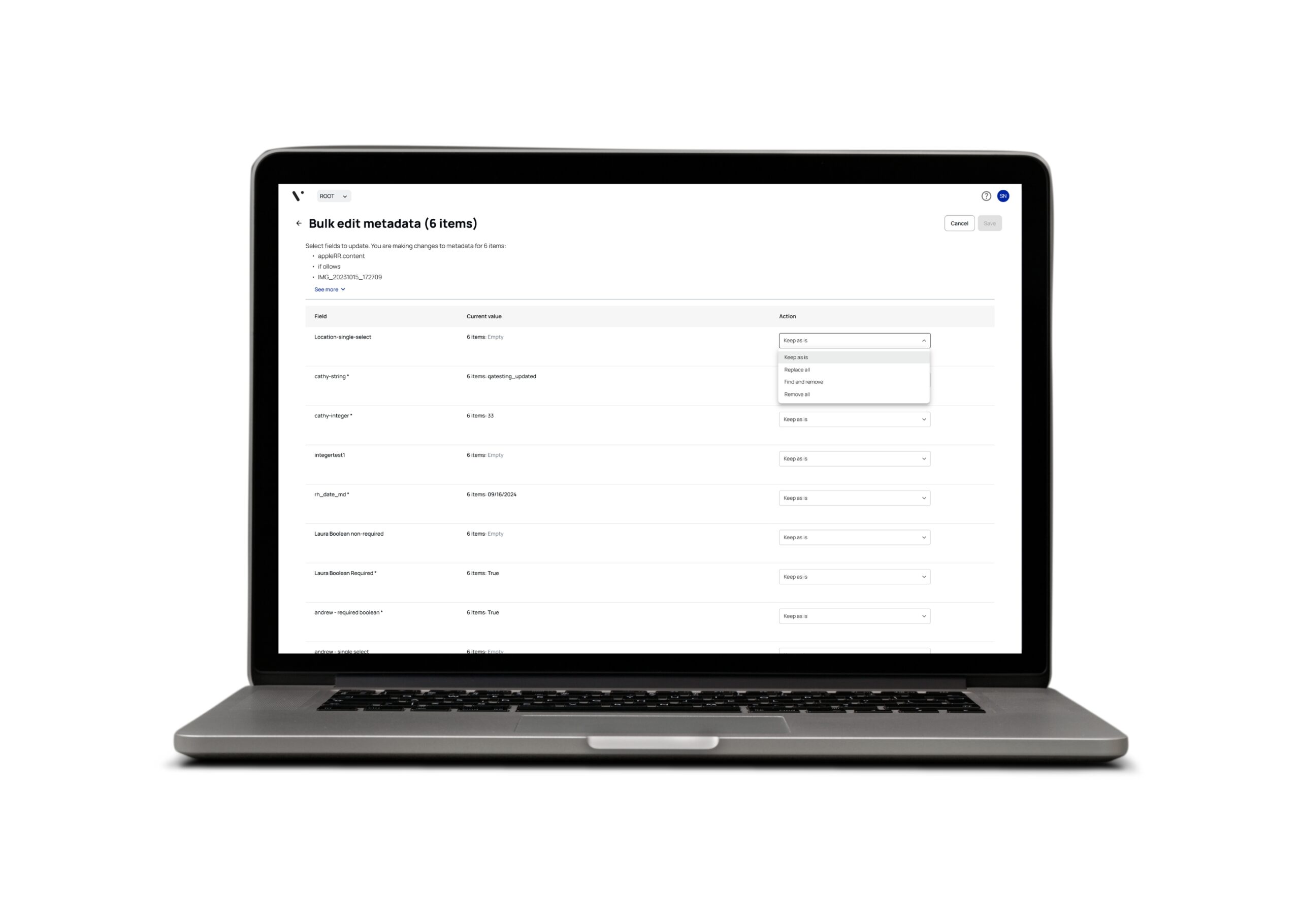
With release 3.21/3.22 you can batch edit metadata for content, making it even easier and more efficient to manage your content and your Canvases.

Driving business outcomes
Videri removes content complexity for partners.
Videri managed services partners use Portal3 to manage large fleets of displays for their many global enterprise customers. This model leads to complex taxonomies at the partner-level. They need to categorize the content and devices of their varied clients by using unique attributes that are almost always different by client type, and by line of business. And this all must be accomplished in one CMS.
For example, their clients may organize their digital display programs by continent, region, sub-region, language, by product lines or by other unique attributes. All those attributes are unique to their business and client base. With Videri’s new custom meta data they can now add their customers’ naming conventions and taxonomy directly into Portal3 and align their client’s display program to their business structure. This makes managing their customers’ content and devices even more efficient and flexible.
From spreadsheets to simplicity
Videri enables brands to organize content at scale.
The volume of content that many businesses have makes it critical to stay organized in order to manage at scale. Traditionally, marketing teams used Excel files to define unique attributes of content. For example, is it content related to winter, summer, holiday or is ever-green content? What language is it in? What products does it feature? Is there a special limited time promotion related to the content? All these attributes lead to management complexity that limit a brand’s ability to scale digital displays in any meaningful way.
Custom metadata solves for complexity and makes scaling easy by letting you bring all the attributes from your Excel file into Portal3 for one comprehensive approach. With custom metadata, Videri makes it easier than ever to find, schedule, manage and organize all of your digital.
At Videri, we’re committed to helping our partners and customers achieve their business goals with powerful, flexible tools that adapt to their unique needs. With features like custom metadata and batch editing, managing digital displays and content has never been more efficient. Whether you’re organizing content at scale, managing global fleets, or aligning digital strategies with business structures, Videri Portal3 streamlines the process, saving time, resources, and frustration.
Ready to take your digital display management to the next level? Explore the possibilities with Videri and see the difference for yourself.
To learn more about how Videri brings the easy to digital displays, contact our team today.