In a recent study by RTING edge-lit TVs were identified as prone to significant durability issues due to concentrated heat which caused “uniformity problems” such as warped reflector sheets, cracked light guide plates, and burnt-out LEDs. The study concluded that these TVs posed a significant risk to long-term reliability.1 When it comes to thin digital displays, heat dissipation is paramount to the longevity of the product. No one knows that better than Omar Barake, SVP of Hardware and Engineering at Videri. We asked him how Videri kept its cool.
“When I joined Videri back in 2022, I was energized by the idea of being able to design and craft the next generation of Videri Digital Canvases, from the ground up. With all the inherent challenges of traditional digital displays, being part of designing the Spark Series Canvas was innovation that I just had to be part of. We crafted the Spark Series Digital Canvas using principles inspired by mobile phone design, including effective heat management, low power consumption, and a slim profile. These three elements work together seamlessly to address the reliability challenges traditionally associated with Edge Lit LCDs,” said Barake.
At 15.5mm thick (that’s 40.5mm less than the average thickness of the TVs in the study) Videri Canvases use edge-lit backlights to keep them thin. Barake and his team faced the challenge of how to enhance components in the Spark Series yet keep the low heat profile our customers need, for use in heat sensitive environments such as in retail, on fridges and on vending machines. The low temperature standard set by the earlier V-Series Digital Canvas was maintained through careful design and testing.
4 Ways Videri Canvases are Cooler
- They were purpose-built for use as a digital display, so the components are streamlined. For example, Canvases do not contain AC/DC power conversion which generates a significant amount of heat in edge-lit TVs.
- Our ultra-thin design is built to draw heat away from electrical components via efficient heat sinks, which couple to the back cover for dissipation of heat.
- Canvases have a full metal back and midframe. This creates multiple connection points and paths for heat to flow and dissipate throughout the entire structure, delivering optimal thermal performance. In Edge lit TVs only the edges of the frame connect to the back of the unit, so the heat is more contained.
- Canvases are equipped with a built-in media player and designed without speakers, tuners or other components, ensuring a more efficient thermal profile.
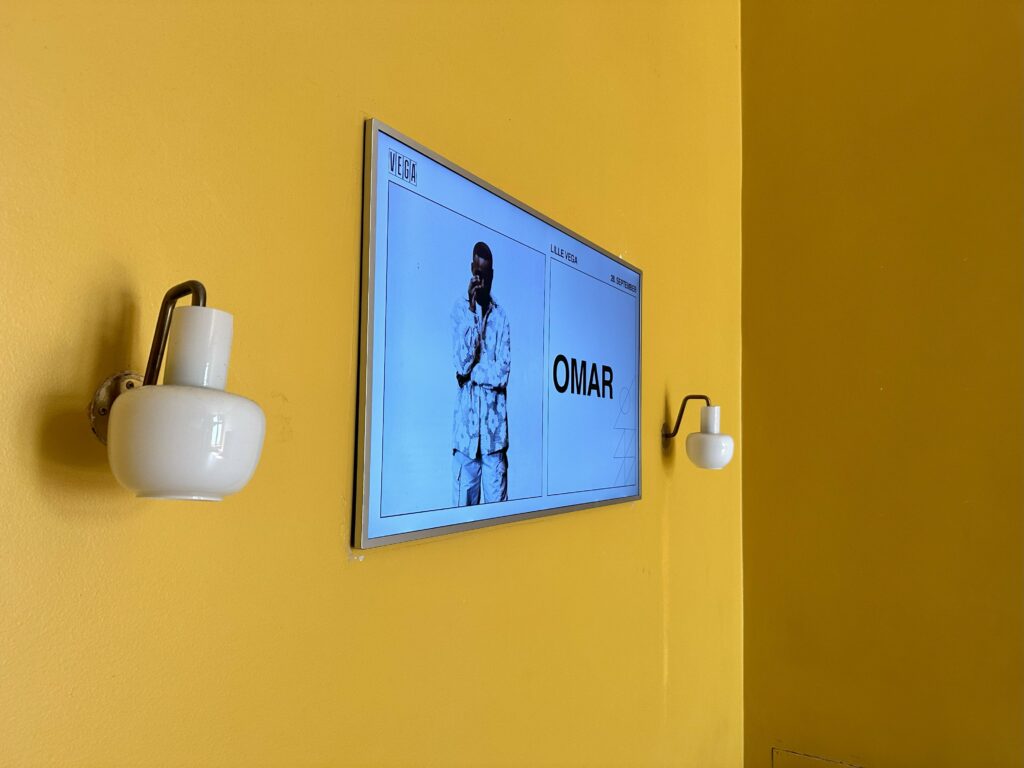

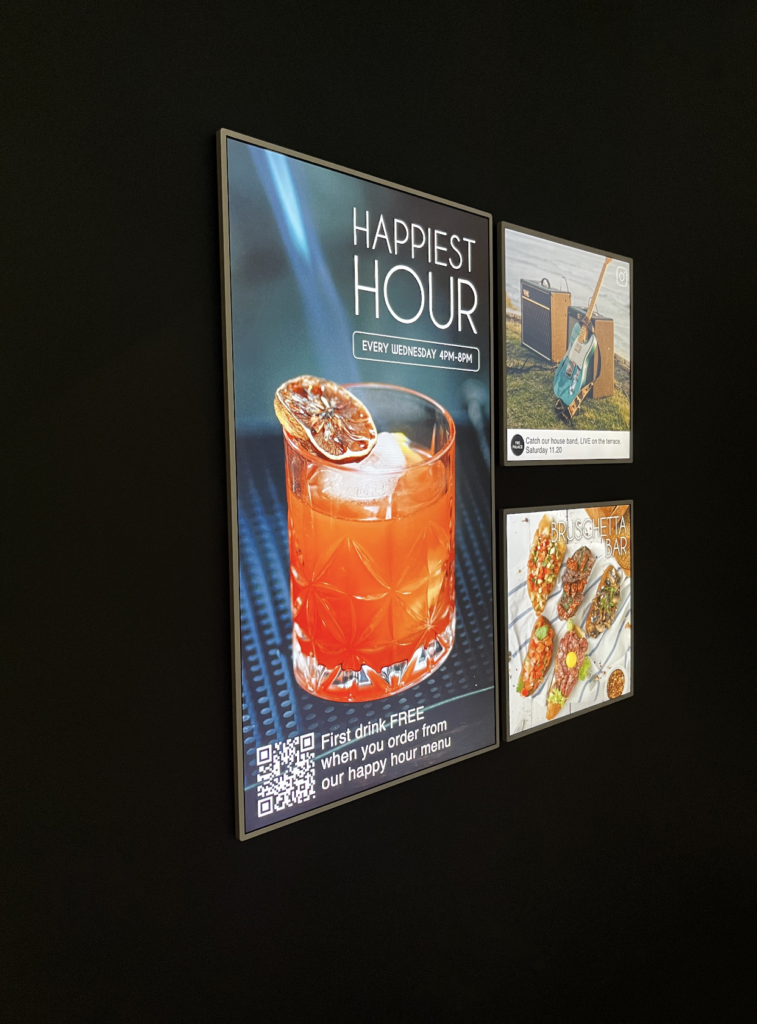
Not only was Omar up for the challenge of engineering a product that would address the failings of traditional and edge-lit digital displays, but he also had another reason to join Videri. “I had worked with Videri’s CEO, Wes Nicol for many years starting in the exciting, early days of BlackBerry. I’ve always admired his determination, his integrity and his drive to get things done. So, getting to work with him again on something as game changing as the Videri Digital Canvas was very motivating,” said Barake.
From the very first time Wes showed Omar Wireless Orchestration on a Videri Wall filled with Digital Canvases, Barake knew it was different from anything else in the market. It wasn’t just about putting up screens – it was about creating a seamless integration that transformed spaces.
If you’re looking for the thinnest, easiest, and coolest digital display solution, one that fits in to let your message stand out, talk to the Videri team today and let us show you how Videri has changed the game in digital displays forever.
-
Messiaen, Pascal (July 26, 2024). https://www.rtings.com/research/thin-lcd-tvs-break-faster-under-prolonged-use